Amboseli safari is Kilimanjaro visible? The short answer is yes, on clear mornings. Mount Kilimanjaro stands in Tanzania, not Kenya, but it fills the southern horizon from Amboseli National Park. When conditions cooperate, the summit appears behind elephants, acacia trees and marshy plains. When they do not, the peak can stay hidden all day. This post explains what determines the view and how to give yourself the best chance.
Can You See Mount Kilimanjaro from Amboseli?
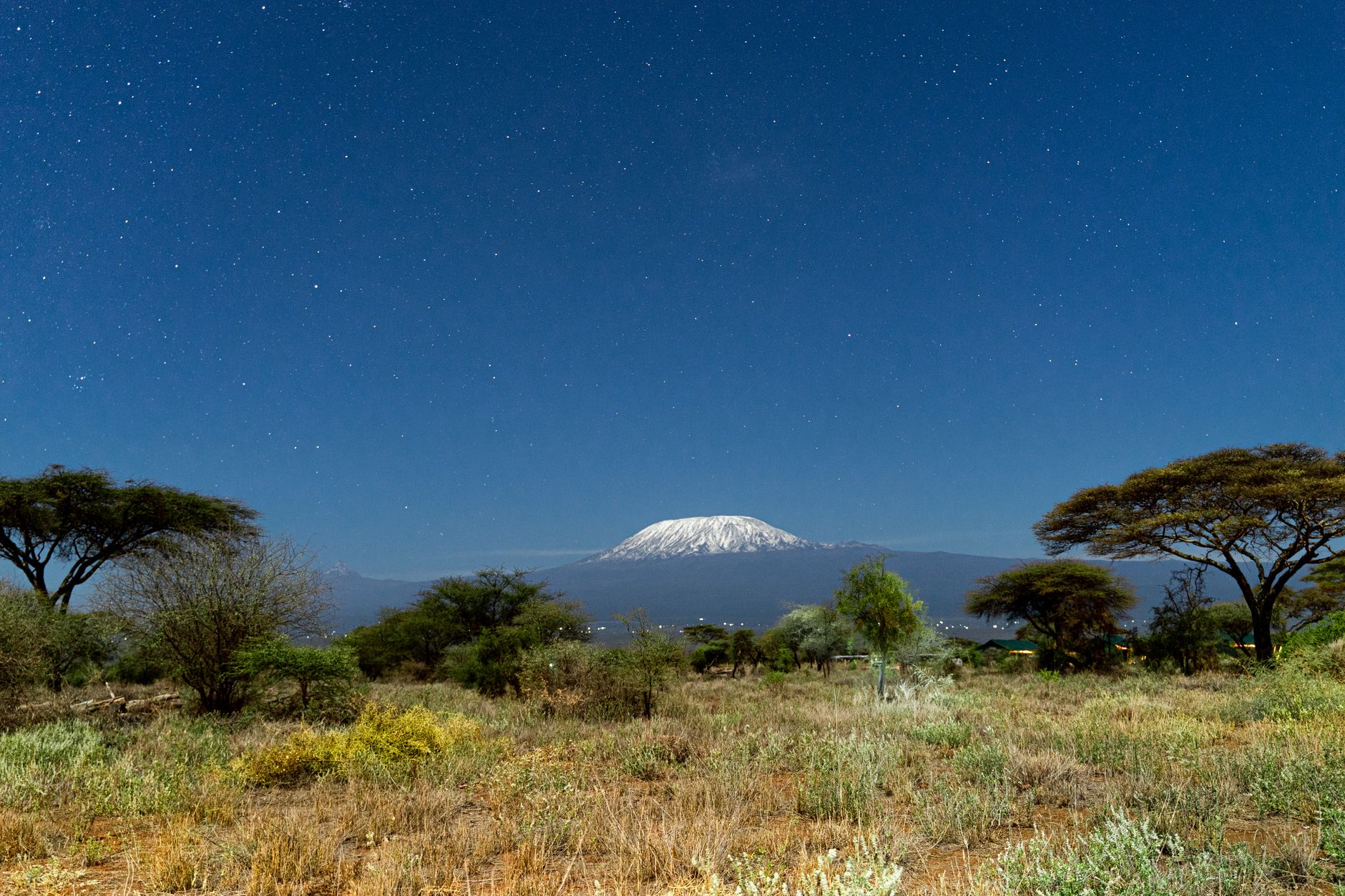
Yes. Mount Kilimanjaro is visible from Amboseli National Park on clear days, even though the mountain lies across the border in Tanzania. The peak dominates the park’s southern horizon and can appear behind elephants, swamps and open plains, but clouds, dust and heat haze mean a view is never guaranteed.
Amboseli sits on the northern side of the mountain, so the view faces south. That may sound simple, but many travelers expect Kilimanjaro to be a Kenyan mountain. It is not. The border between Kenya and Tanzania runs between the park and the peak. From Amboseli, the mountain can look surprisingly close, especially in the first minutes after sunrise.
Before you chase the mountain, it helps to understand the park itself. Our Amboseli safari guide covers the layout and practical details.
What Is the Best Time to See Kilimanjaro from Amboseli?
The strongest chances usually come during the dry periods of January to February and June to October, with August and September often offering particularly crisp mornings. March to May is the least dependable period for mountain views because long rains bring heavier cloud, although the greener scenery and birdlife can be excellent.
The best time is also the time of day. Season matters, but sunrise drives matter more. If you book an Amboseli safari in the dry season but only drive after breakfast, you may miss the clearest air. During the Amboseli dry season, the sun heats the plains quickly, and heat haze softens the outline by midmorning.
For a broader look at timing, see our Kenya safari shoulder-season planning. And if you travel during the rainy months, read what to expect during rain on safari before you pack.
What Time of Day Offers the Clearest Kilimanjaro Views?
Plan to be out before sunrise and prioritize roughly 6:00 to 9:00 a.m. Cool early air usually means less heat haze and fewer clouds around the summit. Kilimanjaro may reappear late afternoon, around 5:00 to 6:30 p.m., but the evening opportunity is generally less reliable than the first morning game drive.
Ask your lodge for a packed breakfast or a quick coffee stop. Use the first light for photography, and keep an eye on the mountain until the clouds build. A Kilimanjaro sunrise Amboseli moment is one of the best reasons to take the pre-dawn drive.
Where Are the Best Kilimanjaro Viewpoints in Amboseli?
Open southern-facing plains and areas around Amboseli’s swamps provide the classic Kilimanjaro composition, especially where elephants can form a foreground. Ol Tukai and selected south-facing rooms at Ol Tukai Lodge, Tortilis Camp and some viewpoints near Amboseli Serena are commonly marketed for mountain views, while Tawi Lodge offers a quieter option outside the park.
The park has a small network of roads, and guides know where the classic composition usually lines up. Some of the most popular places are the marsh edges and the open plains near lodge properties like Ol Tukai and Amboseli Serena. Tortilis Camp offers a classic mountain view from its position on the southwestern edge. Tawi Lodge, outside the national park, gives a quieter base but needs a longer drive to the best elephant habitat.
Amboseli Safari Is Kilimanjaro Visible, but How Reliable?
A Kilimanjaro view is a strong possibility, not a safari guarantee. Dry-season guide estimates commonly range from roughly 60% to 80% of mornings, but conditions vary with clouds, dust, haze and the length of stay. A two- or three-night visit with early drives gives better practical odds than relying on one late-morning outing.
| Season | Kilimanjaro morning odds (guide estimate) | Trade-offs |
|---|---|---|
| January to February | High; often among the clearest months | Greener scenery, strong elephant activity |
| June to October | 60 to 80 percent of early mornings, higher in August and September | Dry tracks, dust later in the season |
| March to May | Lower; cloud and rain common | Lush landscape, many birds, fewer visitors |
| November to December | Mixed; short rains interrupt clear spells | Quieter camps, variable visibility |
These percentages are not guarantees. They reflect what experienced guides report in the dry season. A clear morning can become cloudy by 8 a.m., and a rainy week can still produce one superb sunrise. If you can, stay two or three nights and take a morning drive each day. If you are weighing other parks, compare Amboseli with other Kenya safari parks before you decide.
What Wildlife and Photography Conditions Come with the Best Mountain Views?
The same cool, dry mornings that improve Kilimanjaro visibility also support productive wildlife drives, particularly around Amboseli’s permanent swamps where elephants concentrate. January and February can combine clearer air with greener foregrounds, while June to October usually offers drier tracks and concentrated wildlife but increasing dust later in the season.
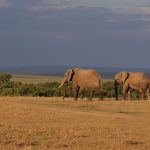
Because the swamps stay wet all year, elephant families are the most predictable subjects. Buffalos, hippos and many waterbirds also gather around the marshes. For photos, place the mountain high in the frame and wait for an elephant to cross an opening. A wide-angle lens captures the full scene, while a lens around 70-200mm isolates animals against the peak.
What Do Travelers Often Ask About Kilimanjaro in Amboseli?
The most common questions come down to whether the mountain is really visible, when to go, and where to stand. The short version is yes on clear mornings, best in the dry season, and best around the park’s southern swamps. The details below answer the specific versions travelers type into search.
Can You See Mount Kilimanjaro from Amboseli National Park?
Yes, Mount Kilimanjaro can be seen from Amboseli National Park on clear days. The mountain is in Tanzania, but Amboseli in southern Kenya offers the famous northern view across open plains. Clouds and haze can hide the summit, so visibility is possible rather than guaranteed.
Is Kilimanjaro Visible from Amboseli Every Day?
No. Kilimanjaro is not visible every day or throughout the day. It is most often clearest in the early morning, while clouds, dust and heat haze frequently obscure the summit later. Staying at least two or three nights and taking sunrise drives improves the chance of seeing it.
What Is the Best Time to See Kilimanjaro from Amboseli?
The best practical window is shortly after sunrise, generally between 6:00 and 9:00 a.m. For the best seasonal odds, consider January to February or June to October. August and September are often recommended for dry conditions, although no month guarantees a clear summit.
Which Months Have the Best Kilimanjaro Views in Amboseli?
January and February, followed by June through October, usually offer the best conditions for clear Kilimanjaro views. March to May is wetter and cloudier, while November and December can be mixed because of the short rains. The best month depends on whether mountain clarity, green scenery or lower-season value matters most.
Where Can I See Kilimanjaro in Amboseli?
Look for open, south-facing areas of Amboseli, especially around the park’s swamps and broad plains. These locations provide unobstructed horizons and opportunities to photograph the mountain with elephants in the foreground. Some lodges, including Ol Tukai and Tortilis, also offer rooms or viewpoints oriented toward Kilimanjaro.
How Should You Plan an Amboseli Safari?
The strongest plan includes at least two or three nights, a sunrise game drive each morning, and a lodge or camp with a south-facing view. Choose January to February or June to October for the best mountain odds, and keep a flexible morning for weather. These details matter more than any single month.
When you compare safari operators, look for an itinerary that gives you those sunrise drives and enough time near the swamps. Use FindMySafari to compare safari operators, browse packages through Valley Safaris, or explore Trunktrails Safaris for options that match your dates. A clear view of Kilimanjaro is never promised by the mountain itself, but good planning can put you in the right place at the right time.
Where Can You Find More Safari Planning Resources?
- Amboseli map and guide from SafariPure
- Amboseli National Park guide from Trunktrails Safaris
- Map of Amboseli from Valley Safaris
- Amboseli destination guide on FindMySafari